
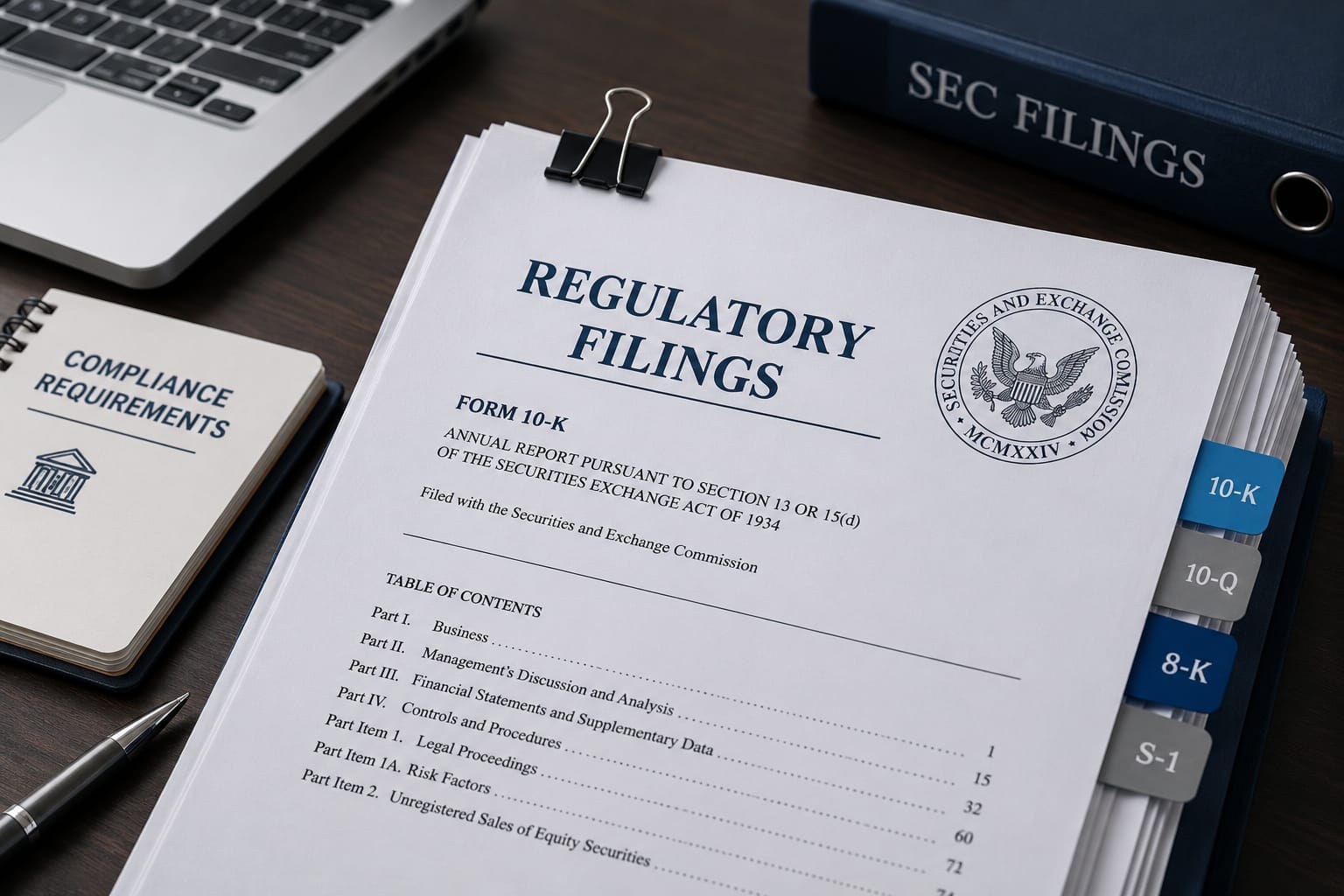
Variation Filing in Europe – Complete Regulatory Guide
Once a medicinal product receives marketing authorization in the European Union (EU), its lifecycle does not end. Pharmaceutical companies frequently implement changes to manufacturing processes, analytical methods, packaging materials, manufacturing sites, quality controls, safety information, and product labeling. These post-approval changes
must be evaluated and approved by regulatory authorities through a structured process known as Variation Filing.
The European Medicines Agency (EMA), together with the National Competent Authorities (NCAs) of EU Member States, regulates these post-approval changes under the European Commission Variations Regulation (EC) No.1234/2008 and its subsequent amendments. The regulation establishes a harmonized procedure that allows
marketing authorization holders (MAHs) to manage product changes efficiently while maintaining product quality, safety, and efficacy.
What is a Variation?
A variation is any change made to the terms of a Marketing Authorization after it has been granted. These changes may involve:
- Manufacturing process modifications
- Changes in manufacturing sites
- Specification updates
- Analytical method revisions
- Packaging material changes
- Shelf-life updates
- Storage condition changes
- Labeling and artwork updates
- Safety information updates
- Administrative changes
Every variation must be classified according to its potential impact on product quality, safety, and efficacy.
Legal Framework
Variation applications in Europe are governed primarily by:
- Commission Regulation (EC) No. 1234/2008
- Commission Regulation (EU) No. 712/2012
- EMA Post-Authorisation Procedural Guidance
- Variation Classification Guideline
- ICH Q8, Q9, Q10 and Q12 principles
- EU GMP Guidelines
Types of Variations
1. Type IA Variation
Type IA variations are minor administrative or quality changes that have minimal impact on product quality, safety, or efficacy.
Examples
- Minor administrative updates
- Manufacturer address changes
- Editorial corrections
- Tightening of specifications
- Addition of an approved testing site
Submission Timeline
- Usually “Do and Tell”
- Can be implemented before submission
- Notification generally within 12 months
- Some IA-IN changes require immediate notification
2. Type IB Variation
Type IB variations are changes that are neither Type IA nor Type II. These changes require regulatory review before implementation but generally have limited impact.
Examples
- Minor manufacturing process modifications
- Certain specification changes
- Equipment updates
- Packaging modifications
- Analytical procedure improvements
Typical Assessment Timeline
- 30-day review period
- Authority may request additional information
- Implementation after approval
3. Type II Variation
Type II variations represent major changes that could significantly impact product quality, safety, or efficacy.
Examples
- Major manufacturing process changes
- New manufacturing sites
- Shelf-life extension
- Changes affecting clinical efficacy
- Safety-related labeling updates
- New indication (where applicable)
Assessment Timeline
- Typically 60 days
- Can extend to 90 or 120 days depending on complexity
- Clock stop possible for questions
4. Extension Application (Line Extension)
Some changes are so significant that they cannot be managed through a variation and instead require an Extension Application.
Examples
- New strength
- New pharmaceutical form
- Different route of administration
- Major formulation changes
Grouping of Variations
Multiple related variations may be grouped into a single submission where permitted by the Variations Regulation. Grouping can reduce regulatory workload and improve lifecycle management efficiency.
Examples include:
- Multiple manufacturing site changes
- Specification updates with analytical method changes
- Packaging changes linked to artwork revisions
Worksharing Procedure
Where identical changes affect several marketing authorizations held by the same MAH, the EU work sharing procedure allows a single assessment to support multiple products, reducing duplication of regulatory effort.
Documentation Required
A typical variation dossier may include:
- Variation application form
- Cover letter
- Updated Module 3 documents
- Updated CTD sections
- Comparative tables
- Validation reports
- Stability data
- Process validation documentation
- Risk assessment
- Expert declarations where applicable
Quality Risk Management
Modern variation management follows Quality Risk Management (QRM) principles as outlined in ICH Q9. Before filing any variation, companies should evaluate:
- Potential impact on Critical Quality Attributes (CQAs)
- Critical Process Parameters (CPPs)
- Patient safety
- Supply continuity
- Regulatory impact across global markets
Common Reasons for Variation Rejection or Delay
- Incorrect variation classification
- Incomplete documentation
- Missing validation data
- Insufficient stability studies
- Poor justification
- Inconsistent CTD updates
- Incomplete responses to authority questions
- Missing GMP compliance evidence
Best Practices for Successful Variation Filing
- Classify the variation correctly using the EU Variation Classification Guideline.
- Perform a comprehensive regulatory impact assessment before implementation.
- Ensure all CTD sections are updated consistently.
- Generate adequate validation and stability data to support the proposed change.
- Maintain clear change control documentation linking internal quality systems to the regulatory submission.
- Use risk-based justifications aligned with ICH Q9 principles.
- Track implementation timelines to ensure compliance with submission requirements.
- Coordinate early between Regulatory Affairs, Quality Assurance, Manufacturing, and Supply Chain teams.
Comparison of EU Variation Types
| Variation Type | Risk Level | Implementation | Typical Timeline |
|---|---|---|---|
| Type IA | Very Low | Before Notification | Notification within applicable timeframe |
| Type IB | Low to Moderate | After Approval | 30 Days |
| Type II | Moderate to High | After Approval | 60–120 Days |
| Extension | Major | New Authorization Procedure | Case Specific |
Key Takeaways
- Variation filing is a critical component of pharmaceutical lifecycle management in the European Union.
- Proper classification of changes is essential to avoid regulatory delays.
- Risk assessment, scientific justification, and complete documentation are fundamental to successful submissions.
- Grouping and worksharing procedures can improve regulatory efficiency for multiple related changes.
- Effective coordination between Regulatory Affairs, Quality Assurance, Manufacturing, and Technical Services helps ensure timely approvals and uninterrupted product supply.
Conclusion
Variation management is far more than a regulatory obligation—it is a strategic element of pharmaceutical lifecycle management that ensures medicinal products remain compliant, safe, effective, and continuously available to patients. By understanding the European variation classification system, maintaining robust change control processes, and
submitting scientifically justified dossiers, pharmaceutical companies can achieve regulatory compliance while supporting efficient product lifecycle management across the European market.
Regulatory Disclaimer
This article is intended solely for educational and informational purposes and should not be considered regulatory, legal, or professional advice. While every effort has been made to provide accurate and current information, regulatory requirements may change over time, and specific product circumstances may require different regulatory approaches.
Readers should always refer to the latest European Commission regulations, European Medicines Agency (EMA) guidance documents, applicable national competent authority requirements, and relevant ICH guidelines before preparing or submitting any variation application. Marketing Authorization Holders (MAHs) remain responsible for ensuring
that all regulatory submissions comply with applicable legislation and current regulatory expectations.
The author and publisher assume no responsibility for any regulatory decisions, submission outcomes, or compliance actions arising from the use of this material. Professional regulatory consultation should be sought where appropriate.

About the Author
Mahummed Asif is a pharmaceutical QA professional with experience in GMP, QMS, Product Complaint Management, Product Life cycle management, Regulatory filing, Change control, risk management, and USFDA audit preparation.
Thank you for sharing such a good knowledge
Thank you for sharing